Caravaggio Bacchus Uffizi - Baroque Painting Guide
Explore Caravaggio's Bacchus at the Uffizi Gallery, uncovering the baroque artistry, hidden symbolism, and historical significance of this masterpiece.
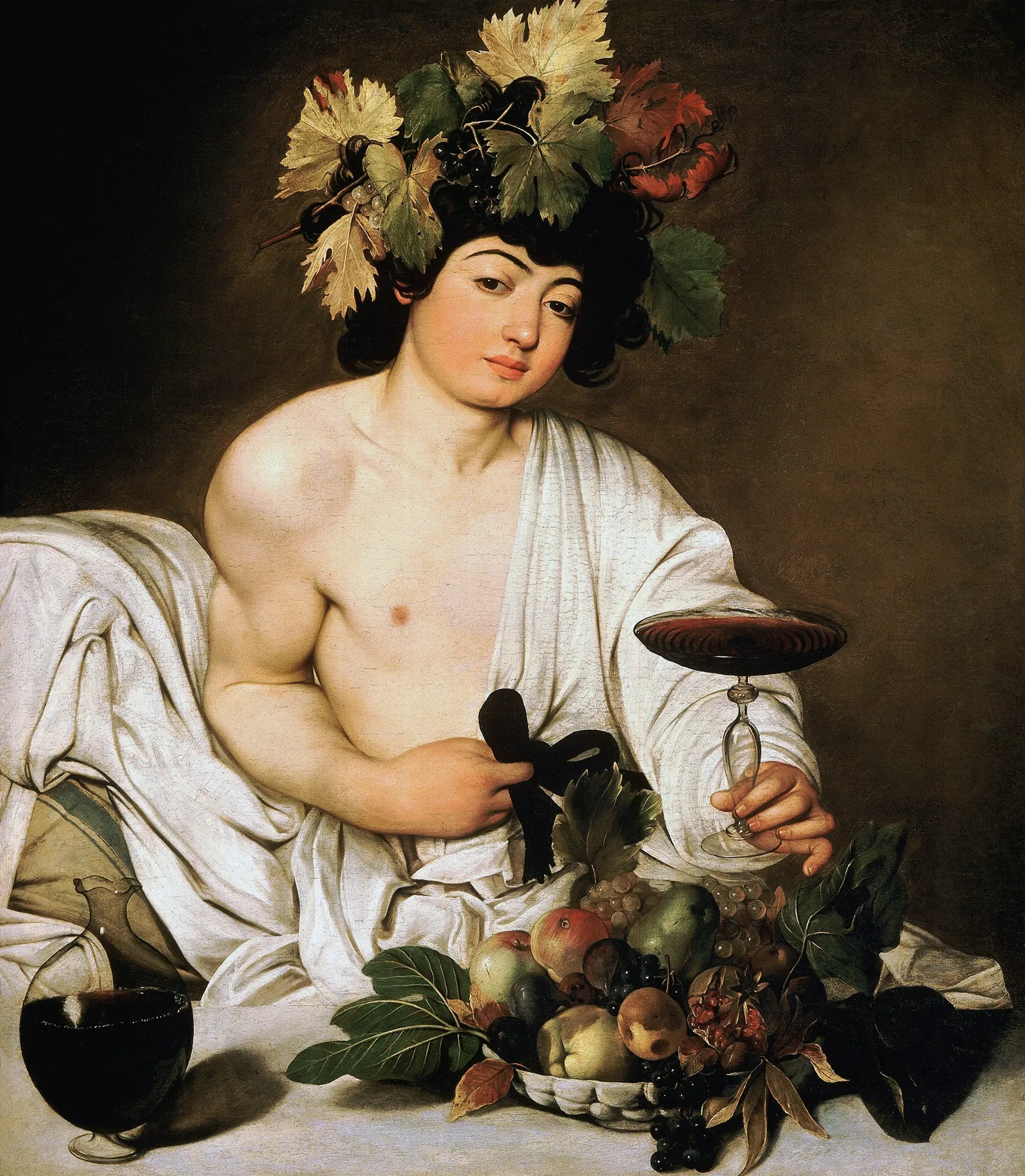
Caravaggio's Bacchus: A Revolutionary Baroque Masterpiece
Michelangelo Merisi da Caravaggio's Bacchus (1595-1596) stands as one of the most revolutionary paintings in the Uffizi Gallery, marking a dramatic departure from traditional Renaissance idealism toward unprecedented realism.
The Revolutionary Technique
Caravaggio's innovative use of chiaroscuro - the dramatic contrast between light and dark - creates an almost three-dimensional effect that brings Bacchus to life. The god of wine emerges from the dark background, illuminated by a single light source that highlights every detail of his youthful face and the translucent grapes.
Hidden Symbolism and Meaning
The Dual Nature of Wine
The painting presents wine's dual nature - both pleasure and danger. Bacchus's slightly flushed cheeks and languid pose suggest intoxication, while the perfectly rendered fruit speaks to abundance and sensuality.
Self-Portrait Elements
Art historians believe Caravaggio used his own features for Bacchus, creating a complex self-portrait that blurs the line between the divine and mortal.
Technical Mastery
- Realistic fruit rendering: Each grape appears translucent and ready to burst
- Fabric textures: The white drapery showcases Caravaggio's mastery of different materials
- Psychological depth: Bacchus's direct gaze creates an intimate connection with viewers
Visiting Tips
Best viewing time: Early morning when natural light enhances the painting's luminosity
Location: Room 90 (Caravaggio Room)
Audio guide: Available in 8 languages with detailed analysis
The painting's revolutionary realism influenced countless artists and marked the beginning of the Baroque movement that would dominate European art for centuries.
About the Author

Art History Expert
Passionate about art and travel, I created this site to help fellow travelers make the most of their visit to the Uffizi Gallery in Florence. With years of experience exploring museums worldwide, I share practical tips and insights to enhance your cultural journey.
Tags
Comments (0)
Loading comments...