Sala di Leonardo Uffizi - Leonardo da Vinci Room Guide
Explore Leonardo da Vinci's room at Uffizi Gallery featuring the Annunciation and early masterpieces. Complete guide to Renaissance genius works.
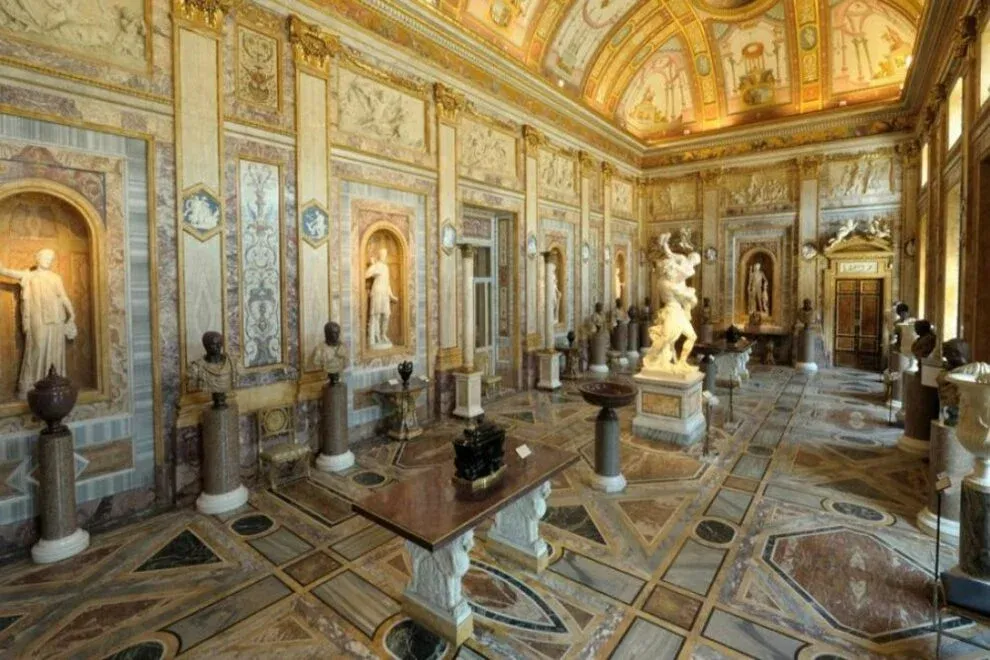
Sala di Leonardo: Witnessing Genius Unfold
The Sala di Leonardo at the Uffizi Gallery offers visitors an extraordinary opportunity to witness the artistic development of history's greatest polymath. This intimate space houses Leonardo da Vinci's early works, revealing the emergence of Renaissance genius through painting, drawing, and innovative techniques.
Leonardo da Vinci (1452-1519)
The Universal Genius
Leonardo represents the ultimate Renaissance ideal:
- Artist, scientist, and inventor in one extraordinary mind
- Florentine apprentice trained in Verrocchio's workshop
- Court artist serving the Medici and other patrons
- Innovative thinker revolutionizing art and science
Early Florentine Period
The Uffizi collection focuses on:
- Formative years (1470s-1480s) in Florence
- Technical experimentation with new painting methods
- Artistic collaboration with established masters
- Independent commissions establishing his reputation
The Annunciation (c. 1472-1475)
Masterpiece of Youth
Created when Leonardo was barely twenty:
- First major independent work showing mature vision
- Technical brilliance in oil and tempera technique
- Atmospheric perspective pioneering spatial depth
- Botanical accuracy reflecting scientific observation
Artistic Innovation
The painting demonstrates:
- Sfumato technique creating soft, hazy effects
- Anatomical precision in figure drawing
- Architectural elements showing mathematical knowledge
- Symbolic richness in religious narrative
Compositional Genius
Key elements include:
- Angel Gabriel with perfectly rendered wings and drapery
- Virgin Mary showing psychological depth and grace
- Garden setting with meticulously observed plants
- Perspective mastery in architectural background
Adoration of the Magi (1481, unfinished)
Revolutionary Composition
This unfinished masterpiece reveals:
- Dynamic composition breaking traditional formats
- Psychological complexity in multiple figures
- Preparatory process through visible underdrawing
- Innovative techniques in chiaroscuro development
Artistic Process Revealed
The unfinished state shows:
- Initial sketching and compositional planning
- Figure development from concept to realization
- Technical methods in Renaissance painting
- Creative evolution of artistic ideas
Symbolic Program
The complex iconography includes:
- Central Holy Family as focal point
- Adoring Magi representing worldly wisdom
- Background battles symbolizing conflict resolution
- Architectural ruins suggesting old order's end
Baptism of Christ (collaboration with Verrocchio)
Master and Pupil
This collaborative work shows:
- Verrocchio's traditional approach in main figures
- Leonardo's innovation in landscape and angel
- Technical contrast between two artistic generations
- Stylistic evolution within single composition
Leonardo's Contributions
Identifiable elements include:
- Left angel with revolutionary naturalism
- Landscape background with atmospheric effects
- Water rendering showing fluid dynamics study
- Soft modeling contrasting with Verrocchio's linearity
Drawing and Studies
Scientific Observation
The room also features:
- Anatomical studies showing scientific method
- Botanical drawings with precise observation
- Mechanical designs revealing inventive mind
- Preparatory sketches for major paintings
Technical Innovation
Leonardo's drawings demonstrate:
- Left-handed mirror writing in notes
- Cross-hatching techniques for modeling
- Proportional studies based on mathematical principles
- Observational accuracy from life drawing
Artistic Techniques
Revolutionary Methods
Leonardo pioneered:
- Sfumato for atmospheric effects
- Chiaroscuro for dramatic lighting
- Anatomical accuracy through dissection study
- Optical perspective based on scientific principles
Material Innovation
Technical advances include:
- Oil painting adaptation for Italian art
- Experimental grounds and painting surfaces
- Pigment research for color permanence
- Varnish techniques for surface protection
Historical Context
Florentine Renaissance
The works reflect:
- Medici patronage and cultural environment
- Humanist philosophy influencing artistic themes
- Scientific revolution beginning in art
- Classical revival with Christian adaptation
Artistic Influence
Leonardo's innovations affected:
- Contemporary artists like Raphael and Michelangelo
- Subsequent generations through technique transmission
- Art theory development and treatise writing
- Modern understanding of Renaissance achievement
Conservation and Study
Preservation Challenges
Maintaining Leonardo's works requires:
- Climate control for mixed media preservation
- Light management protecting sensitive pigments
- Structural support for aged wooden panels
- Visitor impact minimization through crowd control
Scientific Analysis
Modern technology reveals:
- Underdrawings through infrared reflectography
- Pigment composition via spectroscopic analysis
- Painting techniques through microscopic study
- Attribution questions resolved through evidence
Educational Value
Art Historical Significance
The collection teaches:
- Renaissance artistic development and innovation
- Scientific method application to art
- Collaborative practices in Renaissance workshops
- Genius emergence through early works study
Contemporary Relevance
Leonardo's approach offers:
- Interdisciplinary thinking models for modern innovation
- Observational methods for scientific study
- Creative problem-solving techniques
- Artistic excellence standards and inspiration
Visitor Experience
Viewing Strategy
Optimal appreciation involves:
- Close examination of technical details
- Comparative analysis with contemporary works
- Multiple visits for deeper understanding
- Guided commentary for expert insights
What to Notice
Key observation points:
- Brushwork variations showing technique evolution
- Preparatory elements visible in unfinished works
- Scientific accuracy in natural details
- Emotional expression in figure psychology
Planning Your Visit
Timing Recommendations
- Early morning for quieter contemplation
- Extended viewing for detailed appreciation
- Audio guides providing expert commentary
- Photography permitted without flash
Nearby Attractions
Combine with visits to:
- Botticelli Room for Renaissance comparison
- Michelangelo works for artistic dialogue
- Drawing collections for technique study
- Scientific instruments for Leonardo's interests
The Sala di Leonardo provides an intimate encounter with genius in formation, where visitors can witness how observation, innovation, and artistic mastery combined to create works that continue to inspire and amaze over five centuries later.
About the Author

Uffizi Gallery Expert
Passionate about art and travel, I created this site to help fellow travelers make the most of their visit to the Uffizi Gallery in Florence. With years of experience exploring museums worldwide, I share practical tips and insights to enhance your cultural journey.
Tags
Comments (0)
Loading comments...